

Motorsport Culture
F1 didn’t just grow— it became easier to follow, more fun to share, and more of a cultural event than a niche motorsport. Here’s what’s behind the boom.
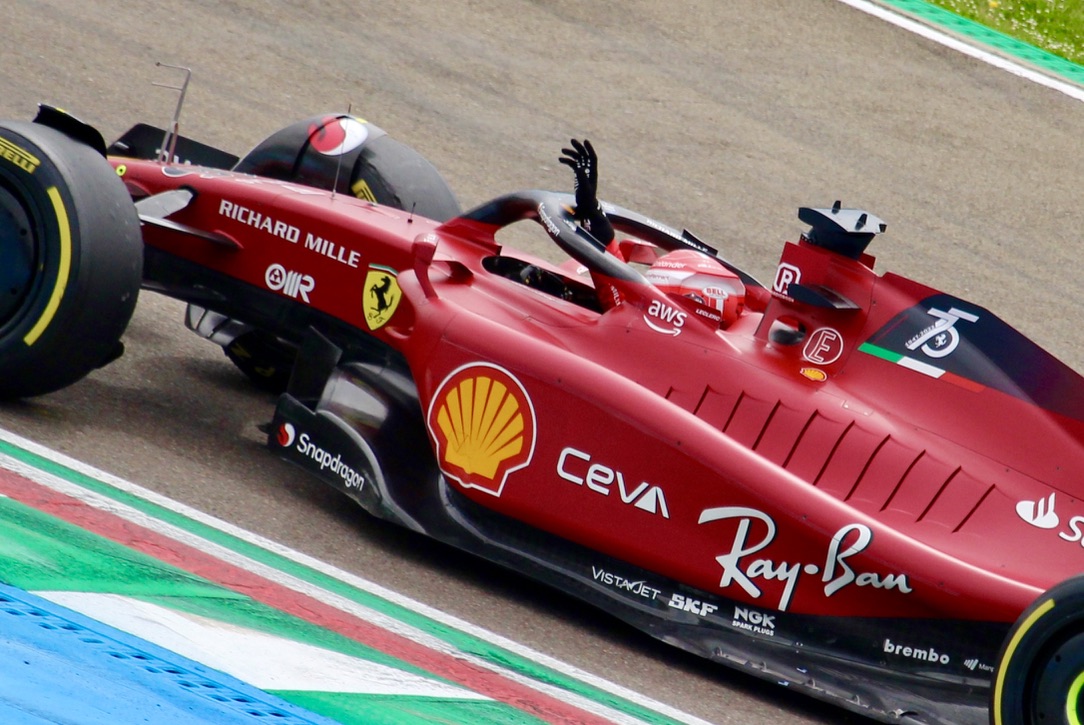
If you’ve noticed Formula 1 showing up everywhere—group chats, TikTok, streetwear collabs, watch parties, even people who “don’t watch racing” suddenly knowing driver names—your eyes aren’t lying.
The big shift is this: F1 stopped being only a Sunday race and became an always-on entertainment product. Racing is still the core, but the modern fan experience is built around storylines, access, personalities, and moments that are easy to understand even if you don’t know what “undercut” means yet.
The F1 boom, by the numbers
Those aren’t “nice for motorsport” numbers. That’s mainstream momentum—globally and especially in the U.S.
1) Netflix made F1 easier to understand (and easier to care about)
Racing can look simple until you try to follow it. Tires, strategy, pit windows, teammate politics, penalties, and engineering upgrades can be confusing for new fans.
Drive to Survive didn’t just promote F1—it taught people how to watch it. Nielsen’s analysis found that more than 360,000 U.S. viewers who didn’t watch late-2021 F1 programming ended up watching races in 2022 after first watching the docuseries, and it translated to 2.3% more viewers watching F1 content in 2022.
The “aha” moment for new fans is usually this: once you understand what’s at stake (and who’s under pressure), every lap has meaning—even when nobody is overtaking.
2) F1 became a social-first sport (clips, radio, memes, and personalities)
The modern sports algorithm rewards moments: onboard drama, team radio, near misses, pit stop wins, and rivalries that play out all week. F1 leaned into that ecosystem hard.
- Short-form highlights make the sport accessible without committing to a full race.
- Personalities (drivers + team principals) are now part of the product.
- Behind-the-scenes access turns “a race” into an ongoing storyline.
In other words: F1 is no longer something you only watch. It’s something you follow.
3) Race weekends now feel like festivals, not just races
This is one of the biggest underappreciated drivers of popularity: the live experience looks insane in person—and it’s even better on social media.
In 2025, Formula 1 reported 6.7 million total season attendance with 19 events sold out, and multiple weekends drawing 400,000+ fans. When the stands look like a concert crowd, people get curious fast.
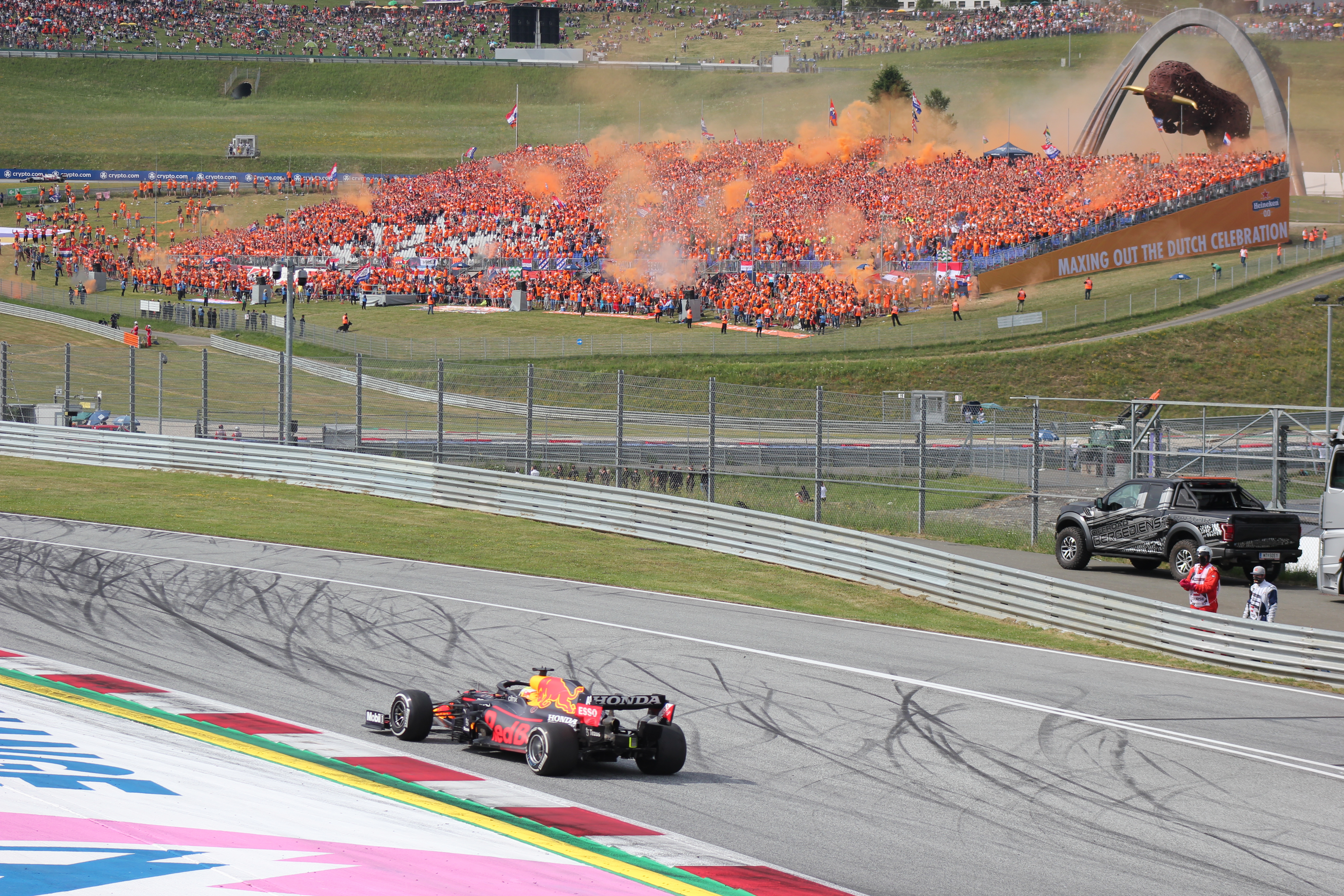
The result is a loop that fuels itself: the bigger the crowd and spectacle, the more it travels online, and the more new fans want to see it for themselves.
4) The U.S. finally clicked for F1 (and the numbers are serious)
For a long time, F1 felt “over there” to American sports fans. That changed.
ESPN reported an average of 1.3 million viewers per race across the 2025 season (the best single-season average for F1 on U.S. TV), and the season-ending Abu Dhabi GP averaged 1.5 million viewers (peaking at 1.8 million). Meanwhile, Formula 1’s corporate season review reported the U.S. fanbase reaching 52 million.
Translation: F1 isn’t “trying to break into America” anymore. It’s already here.
5) F1 is a team sport disguised as an individual sport
Even non-car people get hooked once they realize F1 is a high-speed chess match: drivers, engineers, strategists, and pit crew performance all matter. A race can be won (or thrown away) in seconds.
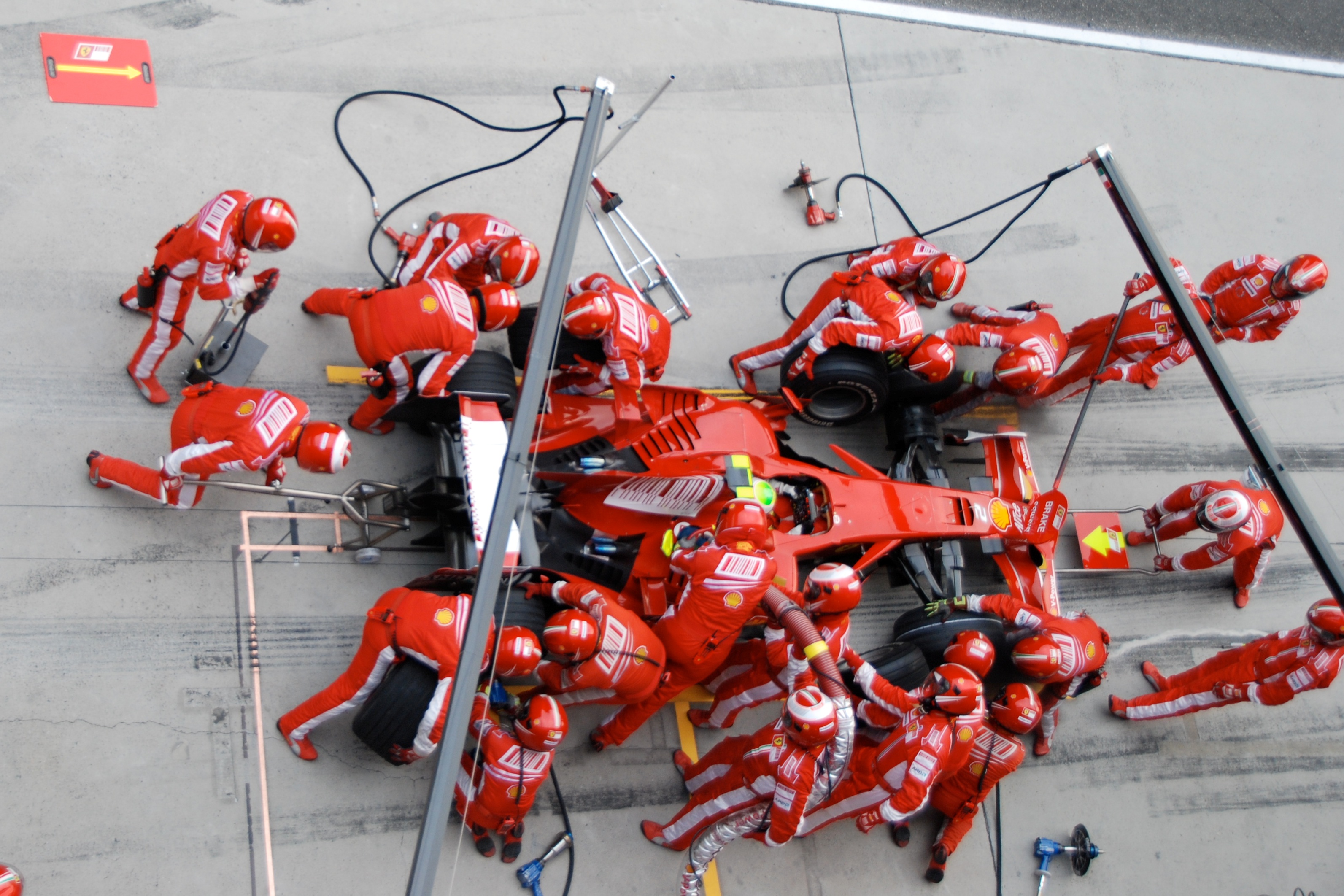
That “how did they pull that off?” factor is addictive. It’s also why F1 conversations feel like car-community talk: setups, upgrades, risk, execution, and bragging rights.
6) The sport always has a “next era” to look forward to
Even if you don’t follow technical details, F1 is great at building anticipation. Major rule changes create a simple, compelling question: who nails it, and who misses?
For 2026, Formula 1 has highlighted big changes including new power unit rules and the introduction of Advanced Sustainable Fuels. That’s the kind of “new era” story that keeps casual fans engaged and hardcore fans arguing in the comments.
If you’re new: a 5-minute F1 starter pack
- Pick a team or driver (you don’t need a “good reason”—just pick).
- Learn the basics: tires, pit stops, and why clean air matters.
- Watch qualifying at least once—suddenly race pace makes more sense.
- Follow one race weekend’s news so you feel the story build.
The sport is at its best when you know what’s on the line. Once you do, it’s hard not to keep checking in.
Sources
- Formula 1: “Formula 1’s record-breaking 2025 season in numbers” — formula1.com
- Formula One World Championship Limited: “Formula 1 2025 Season Review” — corp.formula1.com
- ESPN Press Room: “ESPN finishes final Formula 1 season with all-time viewership record” — espnpressroom.com
- Nielsen: “Driven to watch: How a sports docuseries drove U.S. fans to Formula 1” — nielsen.com
- Formula 1: “Everything you need to know about the new F1 rules for 2026” — formula1.com


Leave a comment
All comments are moderated before being published.
This site is protected by hCaptcha and the hCaptcha Privacy Policy and Terms of Service apply.